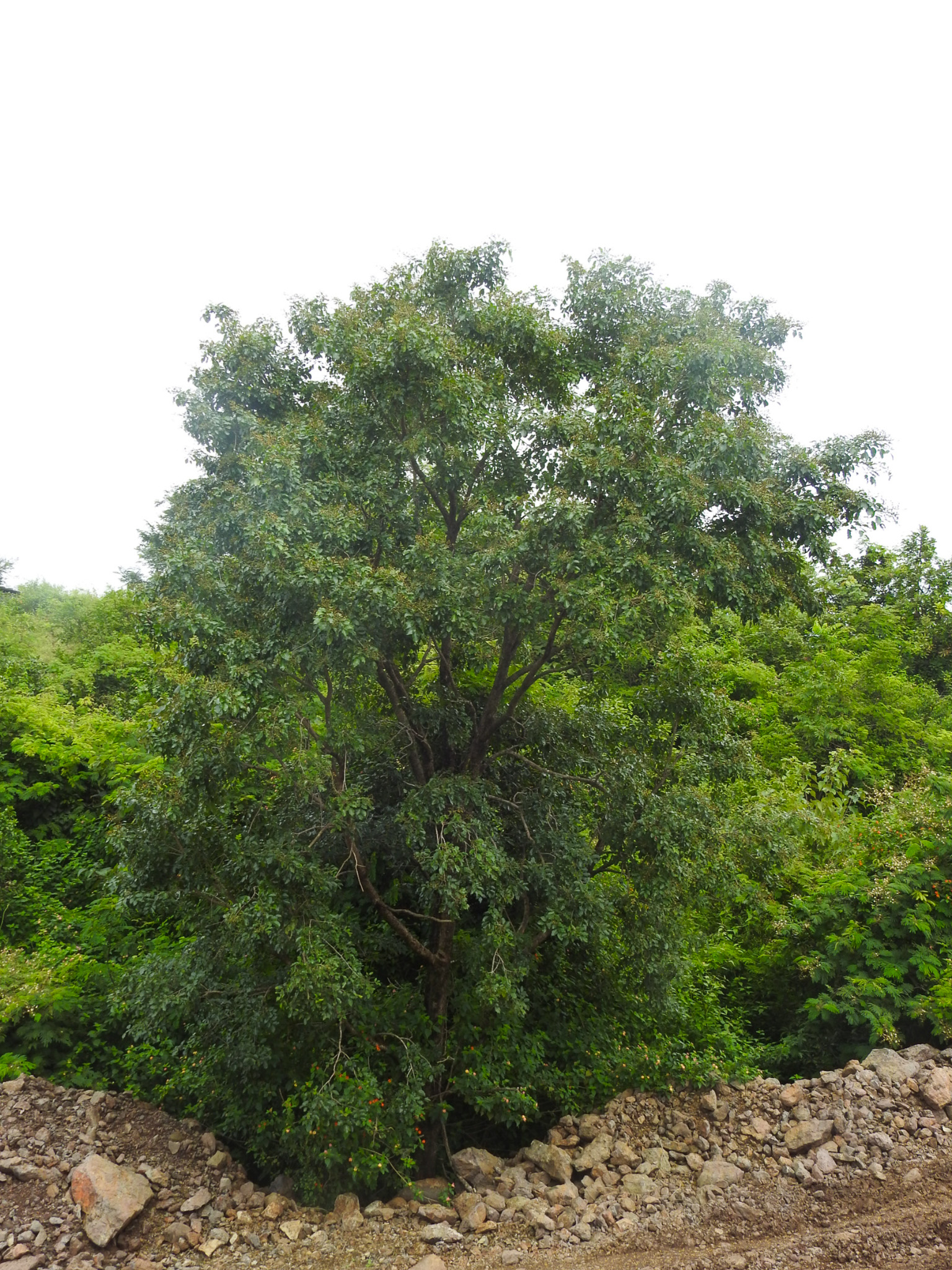
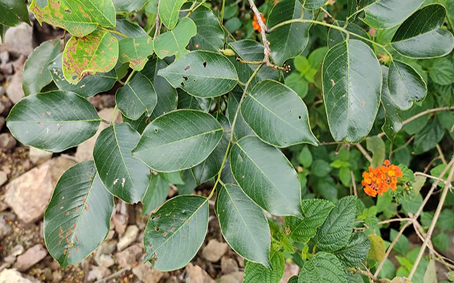
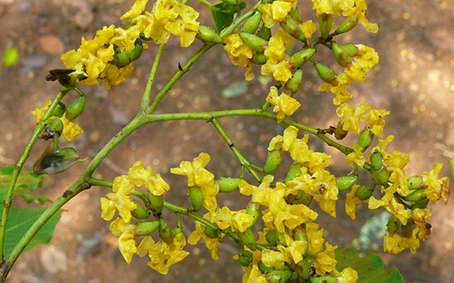
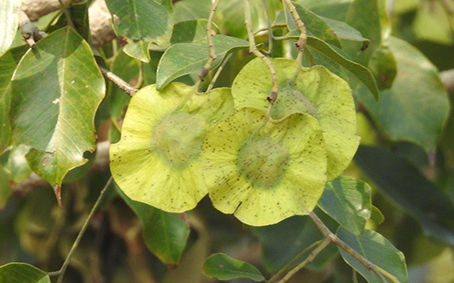
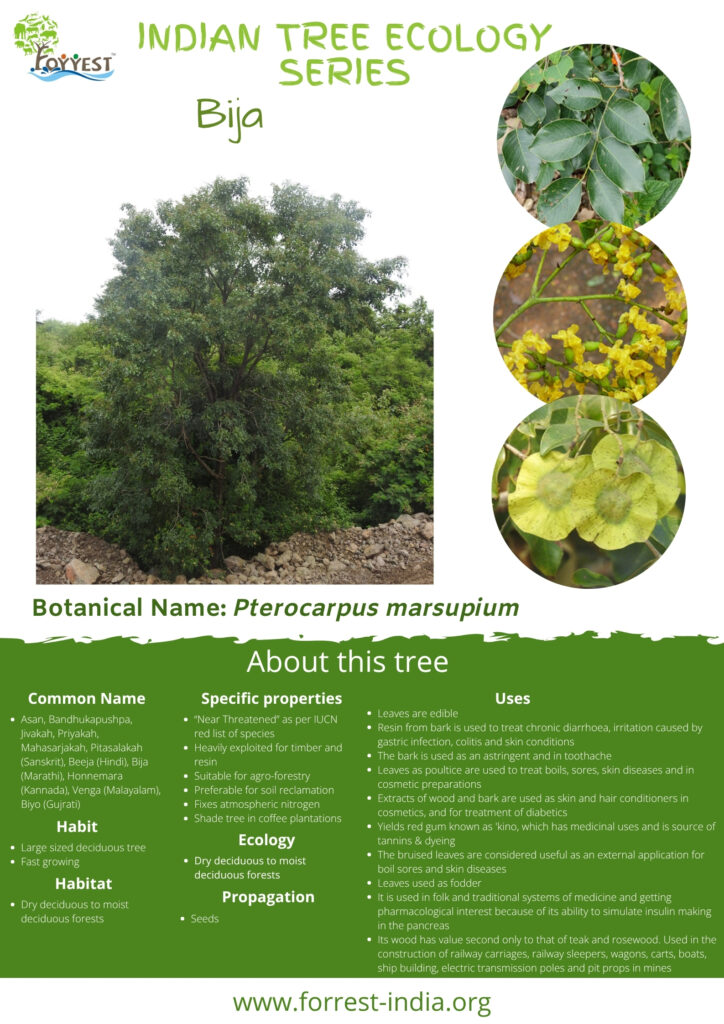
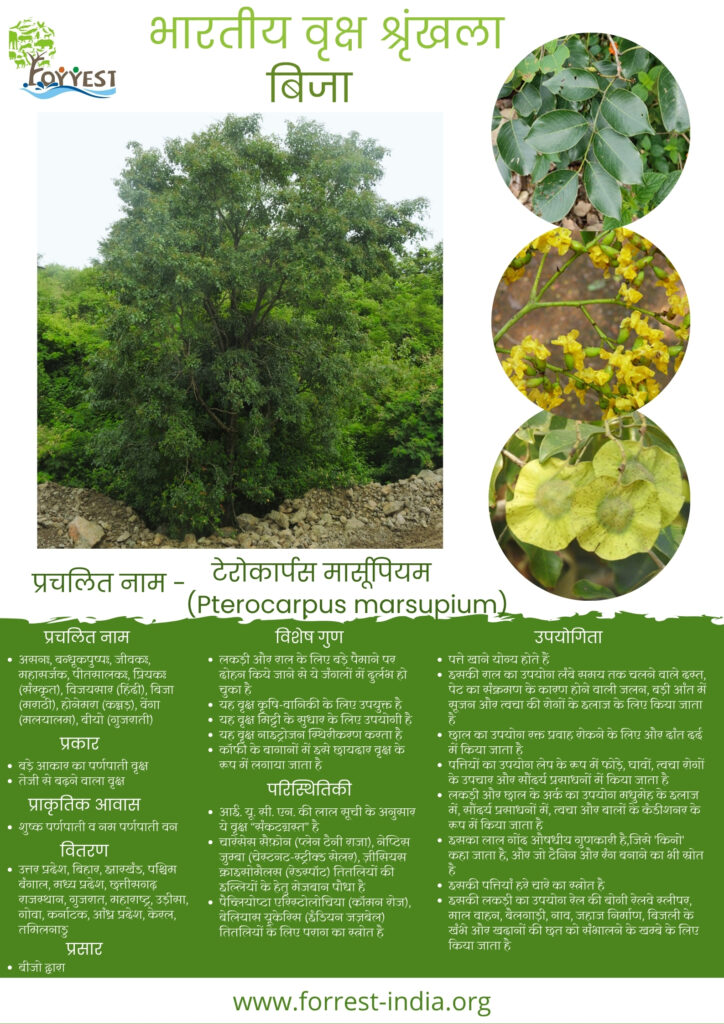
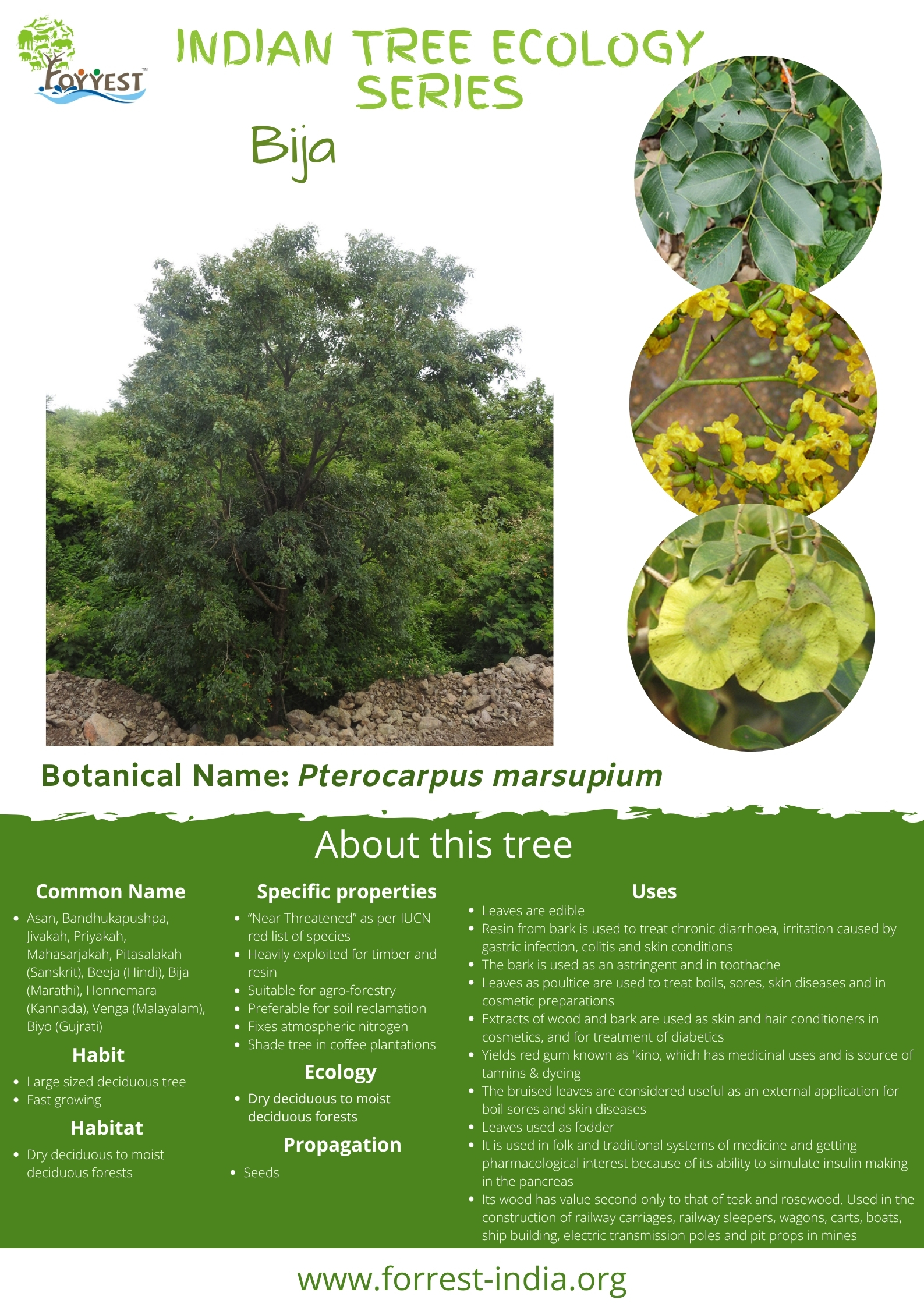
Common Name – Asan, Bandhukapushpa, Jivakah, Priyakah, Mahasarjakah, Pitasalakah (Sanskrit), Beeja (Hindi), Bija (Marathi), Honnemara (Kannada), Venga (Malayalam), Biyo (Gujrati)
Distribution
Uttar Pradesh, Bihar, West Bengal, Madhya Pradesh, Rajasthan, Gujarat, Maharashtra, Orissa, Goa, Karnataka, Andhra Pradesh, Kerala, Tamil Nadu
Habit
Medium to large sized deciduous tree
Fast growing
Habitat
Dry deciduous to moist deciduous forests
Specific properties
“Near Threatened” as per IUCN red list of species
Heavily exploited for timber and resin
Suitable for agro-forestry
Preferable for soil reclamation
Fixes atmospheric nitrogen
Shade tree in coffee plantations
Ecology
Larval host plant for the Charaxes psaphon (Plain Tawny Rajah), Neptis jumbah (Chestnut-streaked Sailer), Zesius chrysomallus (Redspot)
Nector plant for the Pachliopta aristolochiae (Common Rose), Belias eucharis (Indian Jexebel)
Uses
Leaves are edible
Resin from bark is used to treat chronic diarrhoea, irritation caused by gastric infection, colitis and skin conditions
The bark is used as an astringent and in toothache
Leaves as poultice are used to treat boils, sores, skin diseases and in cosmetic preparations
Extracts of wood and bark are used as skin and hair conditioners in cosmetics, for their anti-diabetic activity
Yields red gum known as ‘kino, which has medicinal uses and is source of tannins & dyeing
The bruised leaves are considered useful as an external application for boil sores and skin diseases.
Leaves used as fodder
It is used in folk and traditional systems of medicine and getting pharmacological interest because of its ability to stimulate insulin making in the pancreas
Its wood has value second only to that of teak and rosewood. Used in the construction of railway carriages, railway sleepers, wagons, carts, boats, ship building, electric transmission poles and pit props in mines