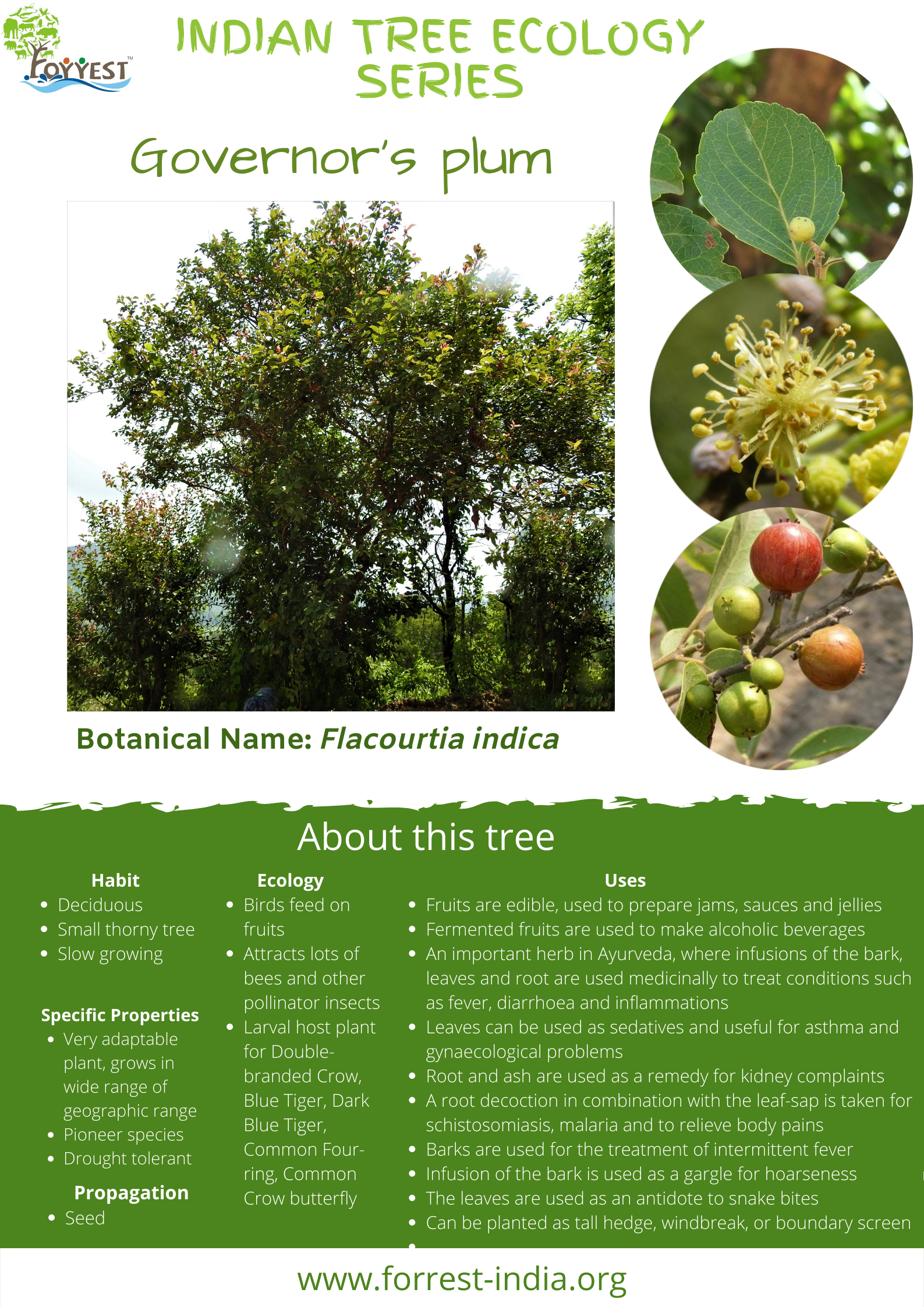
Very adaptable plant, grows in wide range of geographic range
Pioneer species
Drought tolerant
Preferred for agroforestry
Ecology
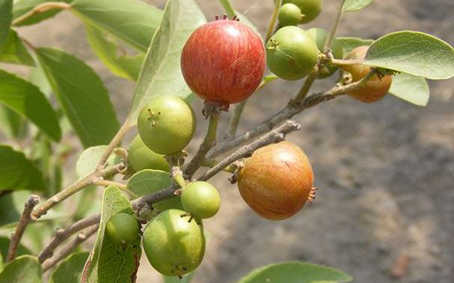
Birds, mammals feed on fruits and disperse seeds
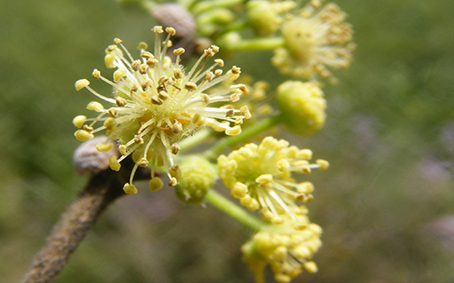
Attracts lots of bees and other pollinator insects
Larval host plant for Rustic, Common Leopard
Nectar plant for Double-branded Crow, Great Eggfly, Blue Tiger, Dark Blue Tiger, Common Four-ring, Common Crow butterfly
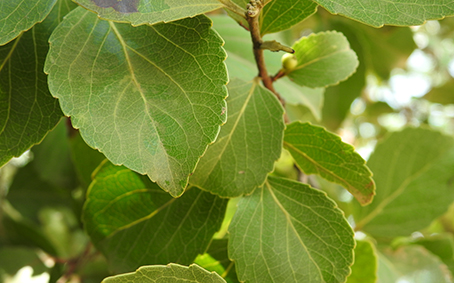
Leaves are a good cattle fodder
Uses
Fruits are edible, used to prepare jams, sauces and jellies
Fermented fruits are used to make alcoholic beverages
An important herb in Ayurveda, where infusions of the bark, leaves and root are used medicinally to treat conditions such as fever, diarrhoea and inflammations
Leaves can be used as sedatives and useful for asthma and gynaecological problems
Root is used as a remedy for kidney complaints
A root decoction in combination with the leaf-sap is taken for schistosomiasis, malaria and to relieve body pains
Barks are used for the treatment of intermittent fever and effective for arthritis
Infusion of the bark is used as a gargle for hoarseness
The leaves and roots are used for treatment of snakebite
Can be planted as tall hedge, windbreak, or boundary screen
The extract of its fruit has diuretic, hepatoprotective, and antidiabetic properties
The leaf juice used for coughs, dysentery and diarrhoea